
Boeing 737
The world's best-selling commercial jetliner — over 10,000 delivered since 1968.
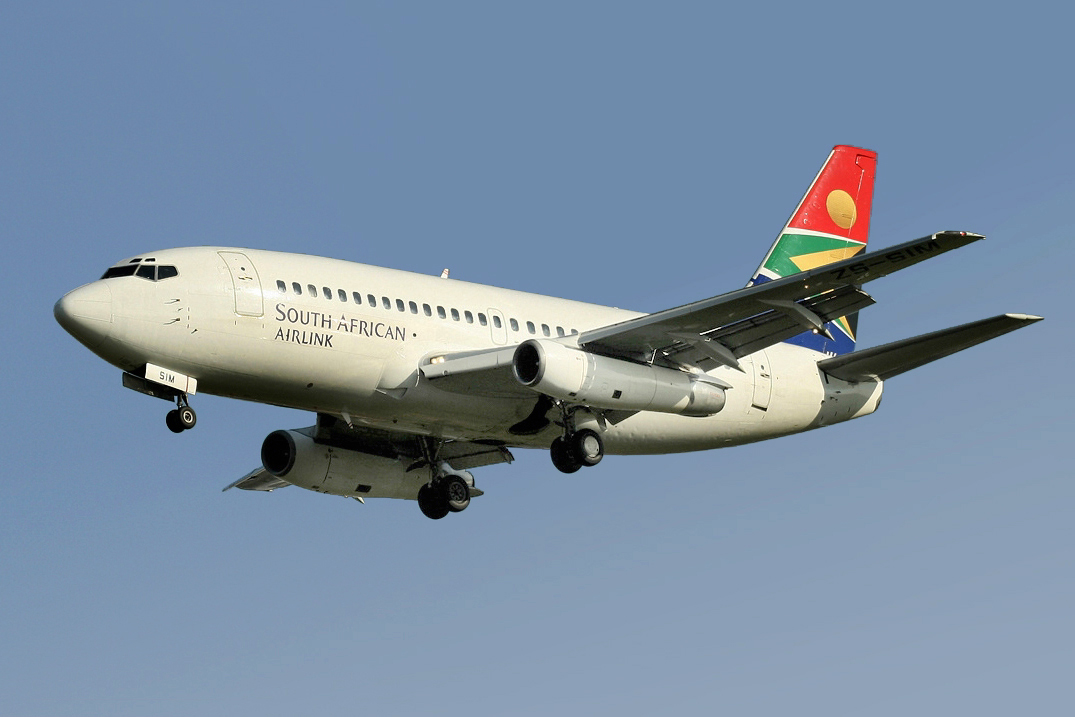
History & background.
The Boeing 737 is the most successful commercial aircraft program in aviation history. First flying on April 9, 1967, the narrow-body twinjet was conceived as a short-haul companion to the 707 and 727. What began as a modest 100-seat regional jet has evolved through four generations into a family carrying 128 to 230 passengers across ranges up to 7,000 km.
Boeing 737 Classic (737-300/400/500)
The Classic generation introduced CFM56 high-bypass turbofan engines and a strengthened airframe. The 737-300 cruises at approximately 800 km/h with a range of 4,444 km, seating up to 149 passengers. The 737-400 stretched the fuselage to carry 188 passengers; the 737-500 was a shorter-range 108-seat variant. Production ran from 1984 to 2000 across nearly 2,000 aircraft.
Boeing 737 Next Generation (737-700/800/900ER)
The Next Generation series is the most widely produced 737 family. The 737-800 — the most common variant — cruises at 842 km/h (Mach 0.785) with a maximum range of 5,765 km, seating 162–189 passengers in standard layouts. With nearly 5,000 orders it is the most-built 737 to date. The 737-900ER stretches the fuselage to carry up to 220 passengers with a range of 5,460 km. Both variants use CFM56-7B engines delivering exceptional fuel efficiency at the time of their introduction.
Boeing 737 MAX (MAX 7/8/9/10)
The MAX generation replaces CFM56 engines with CFM LEAP-1B turbofans, improving fuel burn by approximately 14% per seat. The 737 MAX 8 achieves a range of 6,570 km with 178–210 passengers at a cruise speed of 839 km/h. The 737 MAX 10 — the longest 737 ever built — seats up to 230 passengers. Following the global grounding caused by the MCAS software failures responsible for the Lion Air and Ethiopian Airlines accidents of 2018–2019, the MAX returned to service in late 2020 with redesigned flight control software and enhanced pilot training requirements.
By 2026, more than 15,000 Boeing 737s had been ordered across all variants — a record no other commercial jetliner program has matched. The 737 MAX remains in active production and is the backbone of short-to-medium-haul fleets at carriers worldwide.
Specifications & performance.
| cruise speed | 839 km/h (Mach 0.785) |
| engine | 2× CFM56-7B (121 kN each) |
| first flight | April 9, 1967 |
| length | 39.5 m (737-800) |
| max speed | 842 km/h (Mach 0.82) |
| mtow | 79,016 kg (737-800) |
| range | 5,765 km (737-800) / 6,570 km (MAX 8) |
| seating | 162–189 passengers (typical) |
| service ceiling | 12,500 m (41,000 ft) |
| status | In service (1968–present) |
| wingspan | 35.8 m (737-800) |